
Weather and Baseball Totals: A Case Study in Variance
A bettor in Minneapolis watches the forecast. Snow is coming. He knows what this means for the totals line. He places his bets. The game goes to extra innings. Everything collapses.
Rizz Cash Tape3 min read
The bettor's name was Eddie. He had been doing this for six years. He knew weather like other people knew their own names. He knew that a clear night in Denver meant the ball carried. He knew that wind blowing out meant runs. He knew that cold weather made the ball heavy.
On a Tuesday in April, he was watching the Minnesota Twins play. Snow was in the forecast. Not rain. Snow. The game was at Target Field, an open-air stadium. Snow would slow the game down. The ball would not carry. The totals line was 9.5. Eddie thought it was too high.
He placed his bets. Under 9.5. Fifty percent of his week's profit. He felt good about the play. The weather was in his favour. The logic was sound.
The Setup
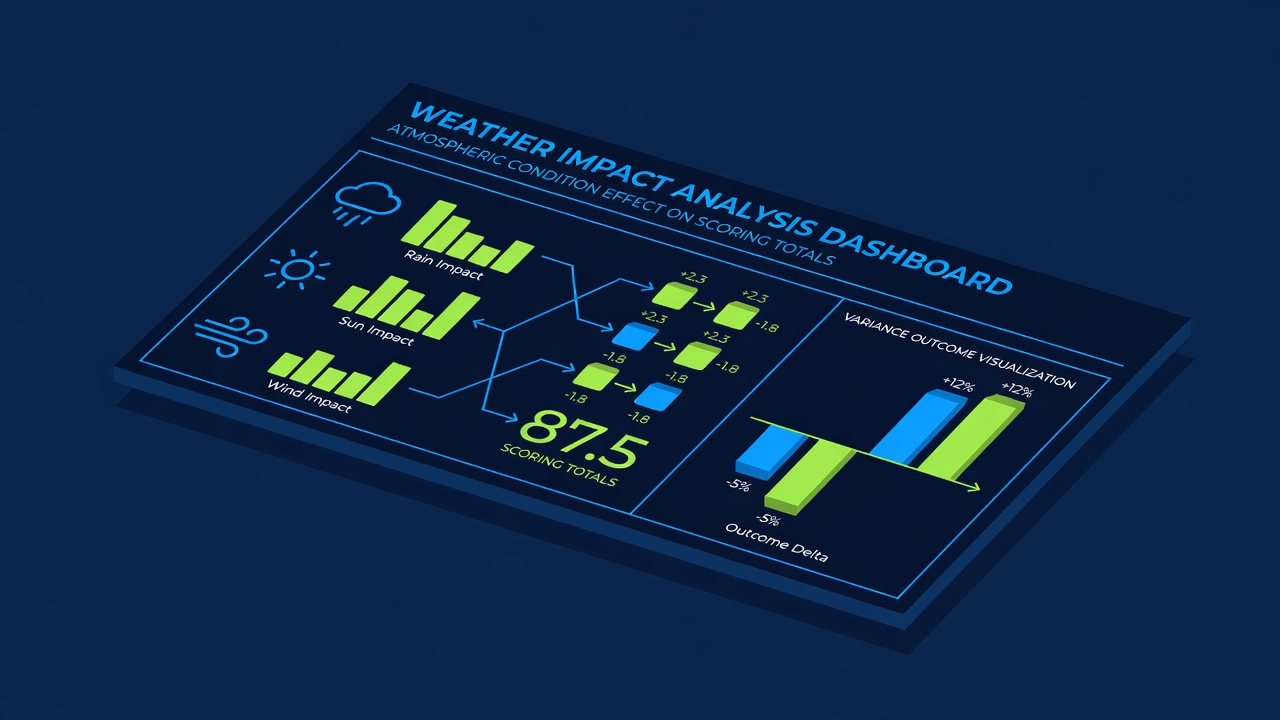
Weather affects baseball totals in measurable ways. Cold air is denser. The ball does not carry as far. Wind patterns matter. Tailwind means runs. Headwind means outs. Rain makes the ball slippery. Snow is the extreme: the ball is wet and heavy, the field is slick, the players move slower.
Eddie's logic was correct. Snow means under. But baseball has variance. And variance does not care about logic.
The game started. The Twins scored in the first inning. The wind had shifted. The forecast had been wrong. The snow held off. The air was cold but the wind was blowing out, toward right field.
Eddie watched, tense. The game moved forward. Every run was a small loss for him. The line was at 9 runs. The Twins were ahead 5-2 in the fifth. He still had some wiggle room. If neither team scored more than one run total, he would win.
The Turn
In the sixth inning, the other team scored three runs. The game was tied 5-5. Eddie's ticket was in trouble. He needed the game to stay below 9.5 total runs. The game was at 10 runs with three innings remaining.
He had lost. He knew he had lost. He should have quit. He should have taken his medicine. But he stayed and watched.
In the eighth inning, the Twins scored three more. The game was at 13 runs. The weather had not mattered. The logic had not mattered. The variance had. One team did not hit into the wind. The other team had. The outcomes moved in a direction he had not predicted.
The Aftermath
Eddie lost six hundred dollars. His week's profit, gone. He sat in his apartment and thought about what had happened. The weather forecast had been wrong. The wind direction had changed. The Twins hitters had been aggressive. The other team's pitchers had been wild. A hundred small factors had moved the outcome.
And he had bet his week on something he thought he controlled but did not.
The Lesson
Edge in sports betting is often assumed but rarely proven. A bettor thinks they see a pattern: weather affects totals. This is true. But it is true at the margins. It is true over one hundred games. In a single game, variance dominates.
Weather is one variable among dozens. The quality of the pitchers. The quality of the hitters. The home-field advantage. The bullpen. The previous night's sleep. The crowd noise. A thousand factors determine the outcome.
A bettor can control their process. They cannot control the result. Eddie's process was sound. His execution was sound. The variance was unkind.
The Continuation
Eddie continued betting on baseball. He refined his weather models. He added more variables. He built more sophisticated systems. Over five years, he was profitable. But he never forgot that Tuesday in April when his weather logic failed.
Because weather does matter. It just does not matter as much as a bettor thinks when they are placing their bets.