
How Streamers Changed the Way We Play Slots
Rizz Cash Tape4 min read
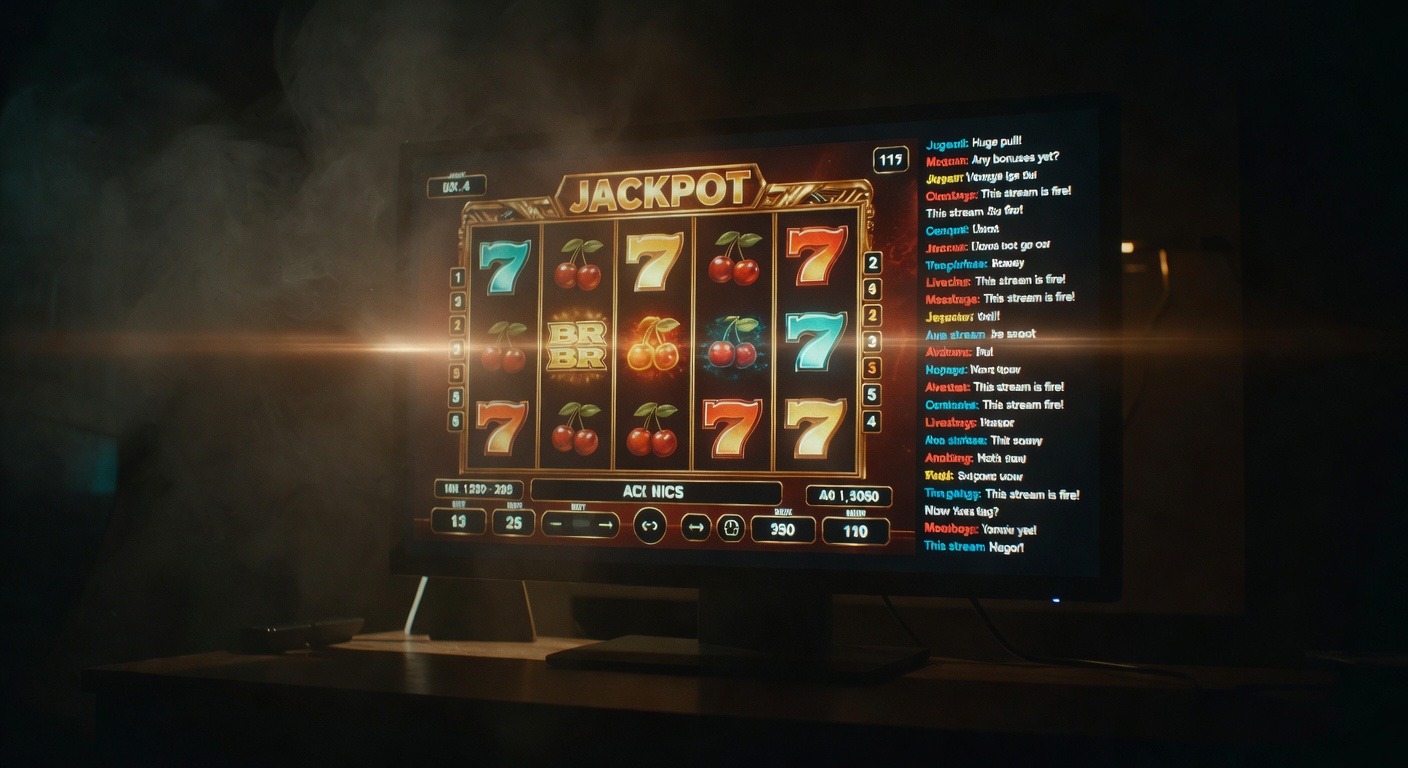
Twitch streamers changed slots in three discrete phases. First, visibility. Slots were private. You played them in a casino or at home alone. Streamers made slots public. Thousands of people watched a single person playing Book of Ra or Gates of Olympus. Second, normalization. Watching someone stream slots made it feel normal to play slots. The streamers were not criminals. They were entertainers with audiences. Watching became a social act. Third, ecosystem creation. Affiliate networks, sponsorships, and dedicated slot streaming platforms emerged as a consequence of the first two phases. Each phase is distinct. Each compounds the previous one.
Phase One: Visibility
Before Twitch, slot play was anonymous. A person played at home or in a casino. No one watched. In 2014, the first gambling streamers appeared on Twitch. They were not slot streamers initially. They were poker streamers and blackjack streamers. Then around 2016, Roshtein, a Swedish streamer, began streaming online slots. He had thirty viewers. By 2017, he had five thousand concurrent viewers for his slot streams.
Why did slots attract viewers? Because variance is visible. A poker hand concludes over five minutes. A slot spin concludes in five seconds. Slots are rapid. They are also rigged in a clear way. A video slot game has fixed rules. It has a return-to-player percentage. These numbers are published. There is no hidden hand reading. There is only the published RTP and luck.
Streamers like Roshtein played high-stakes games. Thousand dollar spins. Players in the audience could watch the math in real time. Win or lose in seconds. The pace is attractive to viewers. It creates tension. A five second spin with one thousand dollars at stake generates more adrenal response than a poker hand with the same stakes because the poker hand unfolds over minutes. Compression creates intensity.
The first five hundred slot streamers on Twitch in 2017 created an entire subculture. They were not celebrities. They were people who played slots in front of an audience. The audience was there for the experience.
The first-phase effect was visibility. Slots entered public consciousness through streaming. This is not to say slots were unknown before streaming. They were widely available. They were simply not watched. Streaming created watchers. Watchers became curious. Some curious people became players.
Phase Two: Normalization
By 2019, slot streaming had normalized. Major streamers like Trainwrecks started gambling streams featuring slots. Casino affiliate programs began sponsoring streamers. A stream category dedicated to casino content emerged on Twitch. Casino content was now part of the mainstream streaming landscape.
Normalization happened through repetition and celebrity endorsement. If a streamer you followed watched slots, you were more likely to watch slots. If multiple streamers you followed watched slots, you were likely to try slots yourself. The social proof is powerful. A single streamer might reach one million viewers over one year. That is one million people exposed to slot streaming. Some fraction of those people try slots.
The second-phase effect was cultural. Slots became something people talked about. Streaming communities formed around specific games. Players shared settings and strategies. The games themselves added features. Bonus rounds became more visually spectacular. Volatility increased. Games were designed for spectation. This is a feedback loop. Streamers wanted entertaining games. Developers made games more entertaining for stream audiences. Streamers played the better games. Audiences watched and played.
Developers like Pragmatic Play, NetEnt, and Relax Gaming began designing games with streamer engagement in mind. Big Win features. Bonus buy functions that allow players to trigger bonuses for a fee. Extreme volatility. Slots designed for the stream are different from slots designed for casual home play. The specs changed because the incentive changed.
Phase Three: Ecosystem
By 2022, the ecosystem was mature. Streamers were earning income from casino sponsorships and affiliate programs. Casinos were acquiring new players through streamer referrals. Players watched streams to learn which casinos paid out, which games were volatile, which operators were trustworthy. Streaming had become infrastructure for the gambling industry.
First, the economics. A mid-tier casino streamer earns thirty to fifty thousand dollars annually from sponsorships. Top-tier streamers earn five hundred thousand to over two million. These numbers are split between base sponsorship and affiliate commission. An affiliate commission is paid when a viewer signs up through a streamer's link and deposits. Casinos find this arrangement efficient because they only pay for players they would not have acquired otherwise.
Second, the content evolution. Early slot streams were raw. Just a streamer playing. Later streams became productions. Multiple camera angles. Overlays showing RTP and volatility. Chat interaction. Sound design. A 2024 slot stream is a polished broadcast. It is not a person playing a game. It is an entertainment product built around a game.
Third, the regulatory response. The UK Gambling Commission issued guidance on gambling sponsorships in 2024. The EU and several national regulators began scrutinizing affiliate programs. Streaming drove visibility and normalized behavior. Normalization drove adoption. Adoption drove regulatory attention. Regulations now constrain streaming. Streamers must disclose odds. They must target audiences over 18. They must provide harm-reduction resources.
The Structural Change
The change is permanent. Players who learned about slots through streams will continue to play slots. The games that were optimized for streams will remain optimized. The casino operators who built streamer relationships will maintain those relationships. Streaming did not create slots. It created visibility. Visibility changed the industry. Casinos optimized for streamers. Players discovered games through streamers. The industry structure shifted. First visible phase is complete. Current regulation is a response to that completion.