
Fear and Loathing in Las Vegas: Gambling Culture on Acid
Hunter S. Thompson wrote about Las Vegas as a crime scene of consciousness. What did he understand about gambling that researchers are still trying to articulate?
Rizz Cash Tape4 min read
"There is a moment in human consciousness when the only response that makes any sense is to laugh at the absurdity of existence."
Hunter S. Thompson wrote that about Las Vegas. He was describing the moment when a person comes to understand, fully and irrevocably, that they are sitting in a machine that has been designed to extract their money and will do so regardless of their choices.
What Thompson called "fear and loathing" is what researchers now call the "dissociative response to environmental design." The language is different but the phenomenon is identical: you are in a space built to overwhelm your decision-making capacity, and at some point, you understand this and respond with a kind of philosophical acceptance mixed with horror.
What Thompson Saw
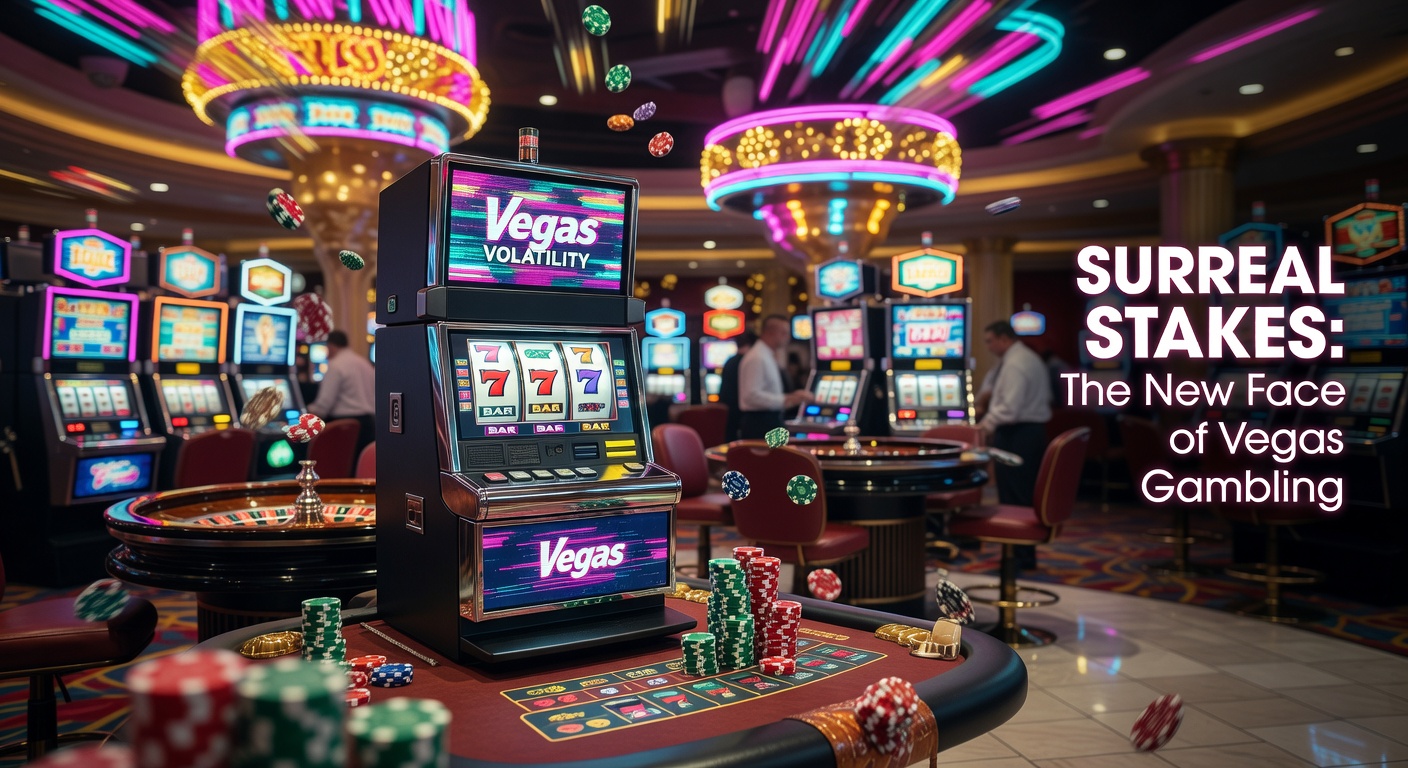
Thompson went to Las Vegas to cover a motorcycle race. What he actually captured was the epistemology of gambling. He noted the precise mechanisms: the lack of clocks, the continuous sensory input, the steady stream of alcohol, the isolation from the outside world.
He observed that people in Las Vegas behave differently than they would in any other context. Not because they are bad people, but because the environment has suspended normal constraints. A person who would never spend $500 in an evening at home will spend it in 90 minutes at a casino without really noticing.
Thompson attributed this to a kind of collective madness. Researchers now understand it as environmental design meeting neurological vulnerability. The casino is not making you mad. It is exploiting the pre-existing conditions under which decisions become irrational.
The Architecture of Dissociation
A modern casino is built to maximize what researchers call "time distortion." No clocks means you lose track of how long you have been there. The continuous ambient noise prevents your brain from using auditory cues to estimate time. The lack of windows prevents you from tracking the passage of day.
You sit at a slot machine or a table for what you think is 30 minutes. It has been three hours. You have not noticed.
This is not accidental. Every casino is designed this way deliberately. The architects are trying to create exactly the conditions Thompson described: an environment where normal decision-making breaks down.
The Chemical Component
Las Vegas casinos serve free alcohol while you gamble. This is not a gesture of hospitality. It is a calculated reduction of your prefrontal cortex function.
Alcohol is a disinhibitor. It makes you more willing to take risks. It also impairs judgment. A person who would normally lose $100 per hour might lose $500 per hour after three drinks.
Thompson was famously intoxicated during his Vegas experience. This was not him being irresponsible (though it was also that). It was him accurately experiencing what the casino is designed to sell: a state of consciousness where normal constraints are suspended.
The Sensory Overload Component
Thompson described the sensory assault: the sounds of slot machines, the lights, the human voices, the movement. All of this is information, and your brain is trying to process all of it simultaneously.
When your brain is overloaded with sensory information, it does something called "gateway collapse." The part of your brain responsible for impulse control (the prefrontal cortex) gets temporarily offline, and your emotional and reward centers take over.
You stop thinking about whether the bet is a good idea. You just make the bet because it feels right.
The Philosophical Component
Thompson's insight was that this dissociation is not entirely unwanted. People go to Las Vegas because they want to escape normal consciousness for a while. They want to stop thinking the way they normally think. They want to be irrational.
The casino is selling that escape. It is selling the permission to be insane for a weekend. Some people can do this and walk away. Some people can do this and it becomes a problem.
The distinction between controlled and uncontrolled gambling is often the distinction between people who are aware that they are seeking an altered state (and have boundaries around it) and people who do not understand what is happening to them (and therefore do not have boundaries).
What This Tells Us
Thompson was right that Las Vegas is a crime scene of consciousness. But it is not a crime against the person. It is a crime by the person against their own decision-making capacity, with the casino as an accomplice.
Understanding this does not make it easier to gamble responsibly. In fact, it makes it harder. Because every casino mechanism is designed to maximize the conditions under which you will make irrational choices.
The person who goes to Las Vegas and gambles without understanding these mechanisms is gambling blind. The person who understands them and still gambles is making a choice to suspend their judgment.
Thompson chose to suspend his judgment and document the experience. He turned it into literature. Most people who suspend their judgment just turn it into loss.