
Elvis in Vegas: The Man and the City
Elvis Presley and Las Vegas were made for each other. The jumpsuit era of the seventies was not nostalgia. It was peak performance.
Rizz Cash Tape3 min read
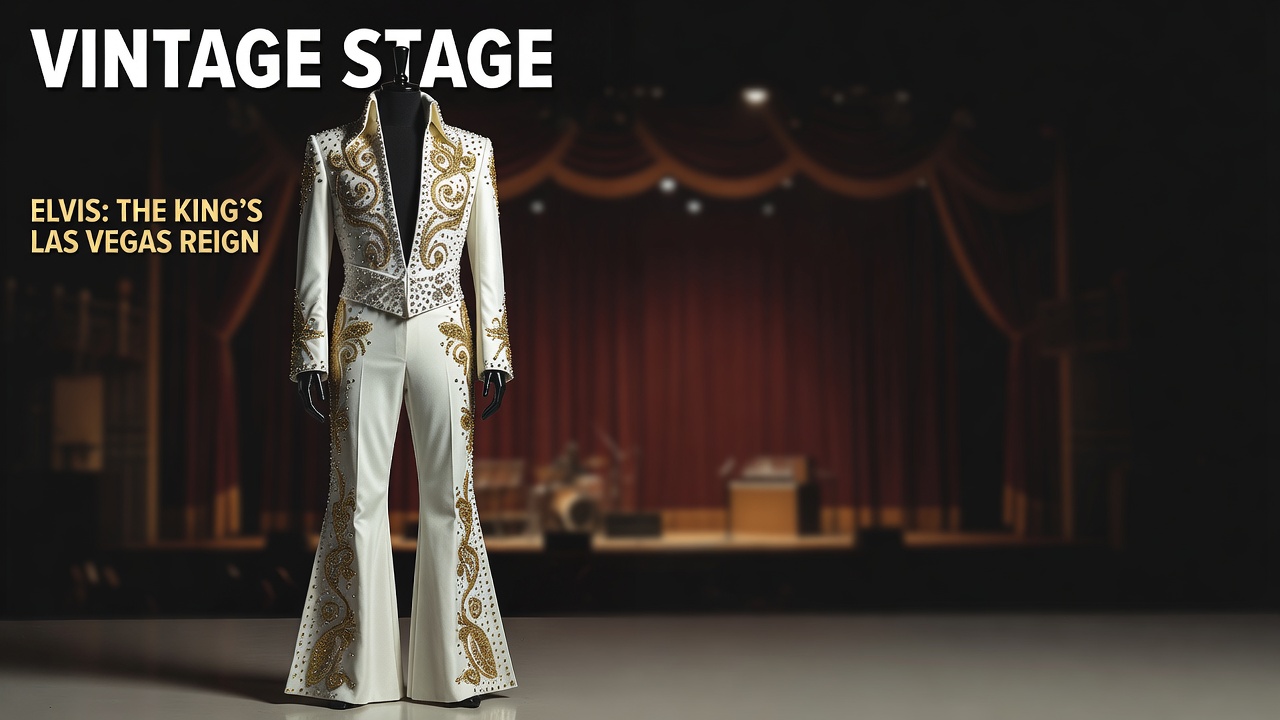
Elvis Presley came to Las Vegas as a movie star already. He had conquered music. He had conquered film. But Vegas was different. Vegas was a stage where he could be something else entirely.
He opened at the International Hotel in August 1969. Fifty-eight performances over fourteen weeks. The venue had one thousand nine hundred seats. Every show sold out. People flew to Vegas specifically to see him.
The Setup
Vegas in 1969 was not what it would become. It was a city built on gambling and shows. The casino hotels dominated. Performers were marquee attractions. Frank Sinatra had done it. Dean Martin had done it. Elvis would do it better.
Elvis was not a Vegas regular before 1969. He was a music innovator. He was a cultural force. But he had never done extended runs in Vegas. The city had not seen what he could do in a live setting, night after night, for two months straight.
The Performance
The International setup was cathedral-like. A stage, a band, two thousand people. Elvis performed with a backing band that included pianist Larry Muhoberac and guitarist James Burton. The setlist mixed his hits with covers. The energy was constant.
Elvis was fit. He was confident. He was in his prime. The performances were not recorded professionally at the time, but bootleg recordings exist. They show a performer completely in control of his material and his audience.
The Jumpsuit Era
During the Vegas years, Elvis began wearing elaborate jumpsuits designed by Bill Belew. The jumpsuits were ornate, sequined, sometimes with cape attachments. They were absurd and iconic simultaneously.
The jumpsuits are often framed as decline, as Vegas excess, as the moment Elvis lost touch. This is wrong. The jumpsuits were intentional. They were part of the Vegas performance aesthetic. They worked. The audience loved them.
The Casino Context
Vegas was a city built to extract money. The casinos wanted performers who would draw people. Elvis drew people. The shows sold out. But more importantly, the people who came to see Elvis also gambled. The casinos made money on the rubber from the performances, not from the performances themselves.
Elvis understood this. He was complicit in it. He was not corrupt. He was a professional. He understood his value. He understood what Vegas needed.
The Commercial Success
After the initial run, Elvis performed in Vegas almost every year. The setup became routine. He would arrive in July, perform for two weeks, return the next year. The shows remained sold out.
The casinos paid him enormous sums. For the era, these were among the largest payments any performer received. Elvis was not desperate for money. He was getting paid because he was drawing.
The Legacy
Elvis's Vegas years are often treated as the beginning of the end. But they were actually the beginning of a new phase. He was not the rock and roller of the fifties. He was the sophisticated performer of the seventies.
The jumpsuits, the elaborate productions, the Vegas setting: these were not compromises. They were choices. He chose to be the entertainer that Vegas demanded. And he was excellent at it.
The Tragedy
Elvis died in 1977. By that time, Vegas had changed. The showroom performances were becoming dated. Rock and roll was moving elsewhere. But in 1969, when he opened at the International, it was the right move at the right time.
The jumpsuit era was not decline. It was adaptation. Elvis read the room. He understood what his audience wanted. He provided it. The fact that it is often framed as decay says more about how we view Vegas and aging performers than it says about Elvis himself.