
Custodial vs Non-Custodial Wallets for Crypto Casino Players
Rizz Cash Tape3 min read
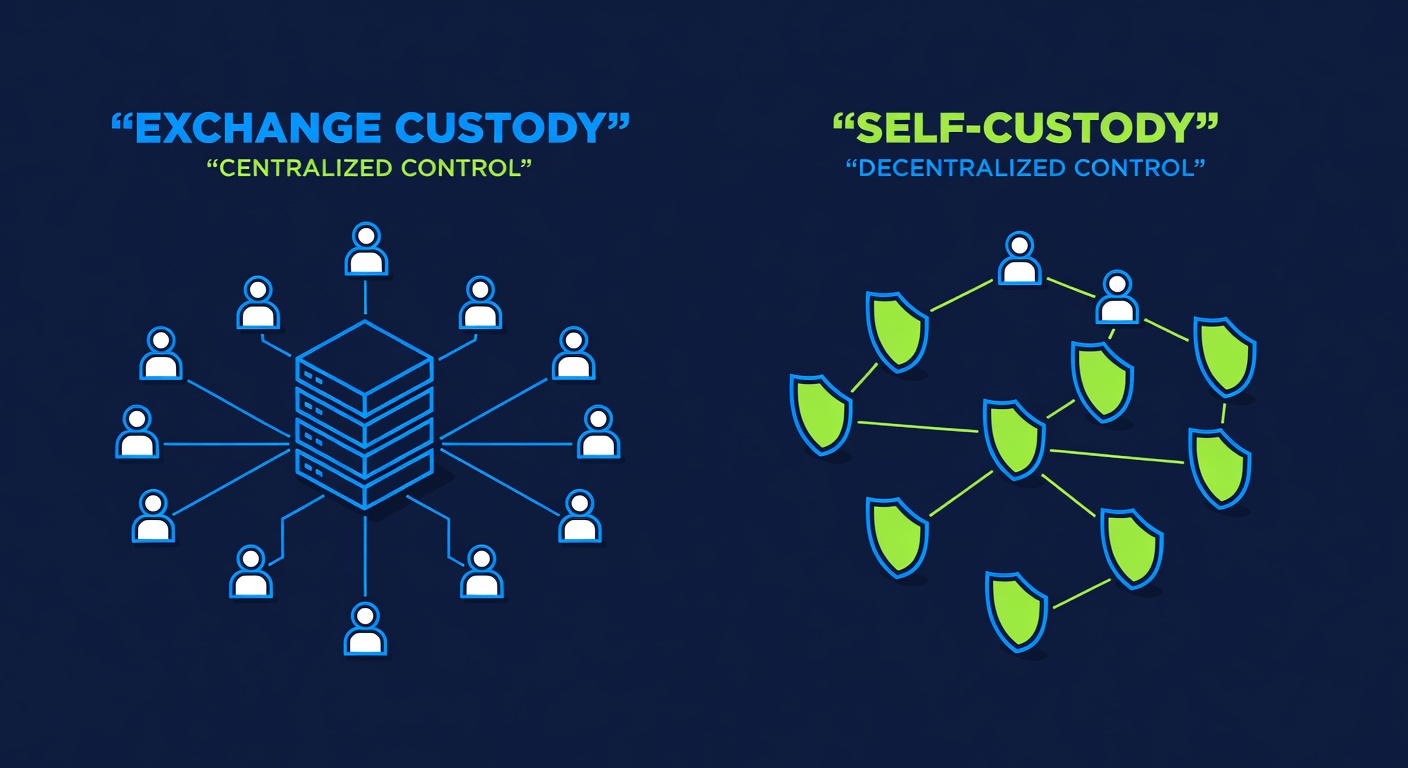
A custodial wallet holds your private keys on someone else's server. A non-custodial wallet holds them on your device. Therefore, you control the risk profile yourself. Most casino players opt for custodial because it feels safer and the withdrawal process is simpler. Most risk-conscious traders reject custodial wallets for the exact same reason: they don't control the keys. No single answer is correct; it depends on your loss tolerance and operational security discipline.
The math here is straightforward. A custodial casino wallet has at least two layers of counterparty risk: the exchange's key management and their insurance coverage. A reputable exchange like Kraken or Coinbase holds insurance (up to $250,000 per customer at Coinbase, though terms vary by asset). If the exchange is hacked, your funds might be covered. If it collapses, your claim is behind creditors. The probability of total loss is low but not zero; Celsius, BlockFi, and FTX demonstrated the tail risk in painful fashion.
Non-custodial wallets move the risk to user error. You control the seed phrase. If you lose it, no recovery is possible; the probability of permanent loss given negligence is close to 100%. If you store the phrase in plain text or use a weak password, an attacker with access to your device can drain the wallet instantly. The probability depends on your operational security habits, not on anyone's reputation or insurance. This is a different category of risk entirely.
The Mechanics of Each Approach
With a custodial casino wallet:
- You deposit crypto via a public address. The casino controls the private key to that address.
- You play on their platform. Every bet updates their internal ledger, not the blockchain.
- You withdraw by requesting a transaction. The casino signs it on their key management system and broadcasts it to the network.
- Settlement takes minutes to hours, depending on network congestion.
With a non-custodial wallet (self-custody plus a web3 casino):
- You hold your own private key, typically in a hardware wallet or encrypted software wallet.
- You connect to the casino's smart contract via a wallet extension like MetaMask.
- Every bet is a transaction on-chain. You pay gas fees for each action.
- You retain full control and can disconnect at any time without permission.
The non-custodial path has friction costs. On Ethereum mainnet, a single bet might cost $5-$25 in gas alone, depending on network load. On Layer 2 solutions like Arbitrum or Optimism, gas drops to cents, but liquidity and player pools are smaller. Custodial casinos have no per-bet fee beyond the house edge, which is why the vast majority of casual players use them.
Expected Value and Wallet Choice
Your wallet choice doesn't change the house edge. A 97% RTP slot pays 97% expected value whether you fund it from Kraken or MetaMask. But operational costs shift dramatically. If you're making 100 spins at $10 per spin, custodial saves you hundreds in gas fees. If you're making one $1,000 bet, custodial is more efficient unless you're on a low-cost L2 with tight spreads.
Security probability favors custodial for the average player. The probability of a major exchange collapse or regulatory freeze is perhaps 2-5% per decade based on historical data. The probability that a non-custodial user loses their seed phrase, forgets their password, or has their device compromised is closer to 15-25% over the same period, especially if they're new to self-custody. This shifts meaningfully with skill.
Therefore, the recommendation splits by sophistication. If you hold more than you can afford to lose and you keep poor backups, use custodial. If you're a technical user with a hardware wallet, offline seed storage, and operational discipline, non-custodial is logically superior. The modal casino player is neither; they're risk-tolerant enough to play but not disciplined enough to self-custody responsibly. For that person, custodial is the right choice.