
Currency Conversion Fees at Online Casinos
What is the true cost of exchange? And what does a bettor believe they are purchasing when they accept a hidden fee?
Rizz Cash Tape3 min read
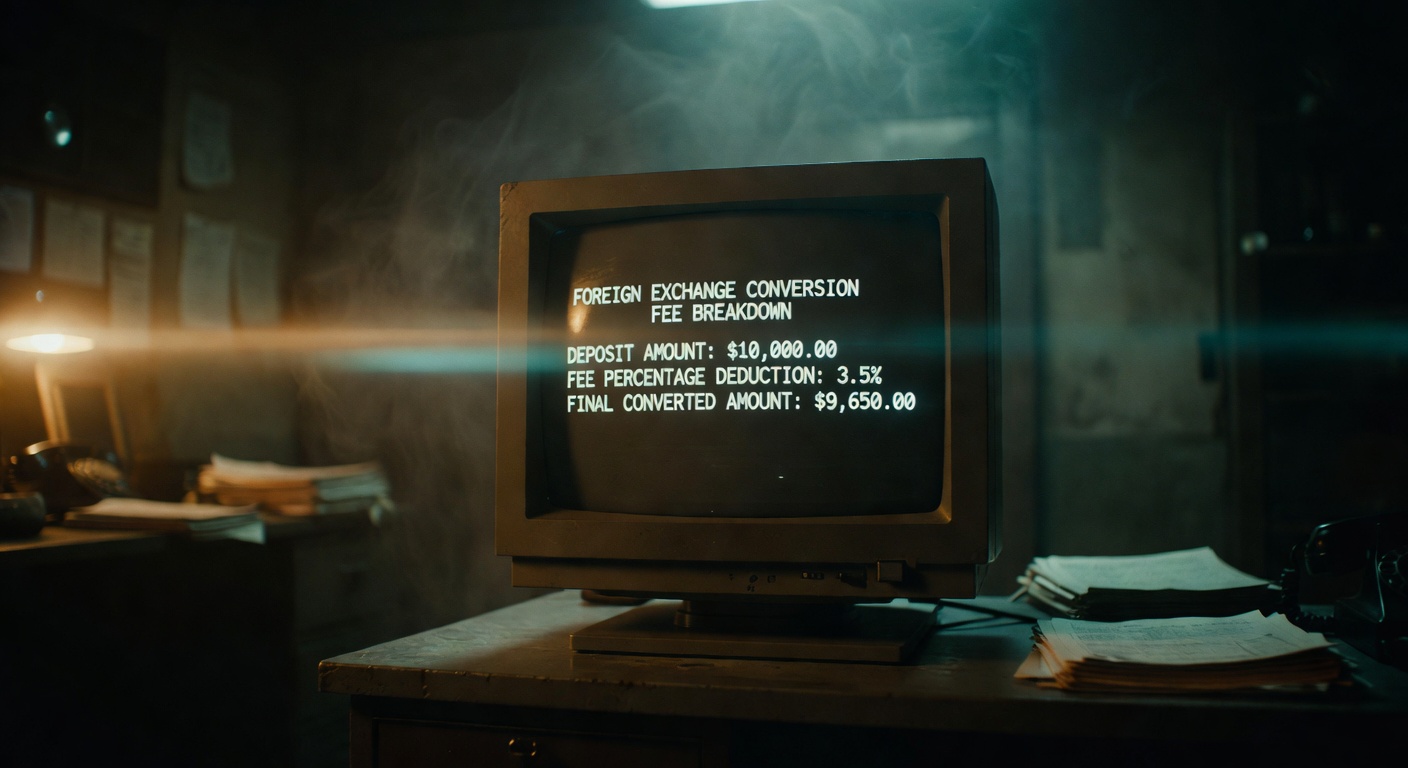
Consider the bettor who deposits euros into a casino licensed in Malta. The casino accepts the deposit. The bettor sees their account. But between the act of sending money and the act of having account funds, something has occurred. An exchange. The euro became something else. Something that now belongs to the casino's liquidity pool.
One might ask: what has the bettor purchased? They have purchased access to a wager. But have they purchased it at the price they think? The question opens outward.
The Mechanism of Hidden Cost
Currency conversion happens at every layer of the transaction. The bank that sends the euro charges a fee, sometimes visible, sometimes buried. The payment processor charges a fee. The casino charges a conversion margin. Each fee is small. Each is rational from the perspective of the entity charging it. Together, they form a kind of friction that the bettor does not see.
Imagine a bettor from the United Kingdom who deposits GBP 100. By the time that deposit reaches the casino's liquidity pool, it may be 97 pounds in value. The bettor does not see three pounds leave. They see 100 pounds appear in their account. But the account uses a unit of casino credit that the casino has valued at less than the pound they spent.
When the bettor withdraws, the same friction occurs again. The bettor who won 50 euros may have 48 euros reach their bank account. The casino has taken no money directly. Yet money has disappeared.
The Question of Belief
What is remarkable is that most bettors do not know this happens. They believe the fee structure is one thing and it is another. This is not dishonesty, precisely. It is the distribution of knowledge. The casino knows. The bettor believes.
One might ask whether the bettor cares. Some do. Some have measured their conversions over months and watched the slow bleed of funds that the house did not take in any visible way. Others do not notice. They see their balance go up or down based on wins and losses. The background friction is invisible to them.
The regulators in better jurisdictions have begun to require transparency. Malta now requires the casino to disclose all fees at the point of conversion. The bettor may still choose to accept them, but they do so with knowledge. That changes something. Not everything. But something.
The Deeper Question
What does the bettor actually believe they are purchasing? Are they purchasing a fair bet at a fixed house edge? Or are they purchasing a series of transactions, each with its own edge, layered on top of the original wager?
The house edge on the game itself is published. Blackjack has a known edge. Roulette has a known edge. Slots have a published RTP. But the edges created by conversion are not called edges. They are called fees. They are called margins. They are called the cost of doing business.
Yet from the perspective of the bettor's bankroll, they function identically to an edge.
You might observe that the regulated operators in clear jurisdictions tend to charge lower conversion margins. The MGA, the UKGC, CuraSao eGaming, each has standards that push toward transparency. In jurisdictions where regulation is light, the conversion margins are higher. This is rational competition. But it is also revealing. When operators have discretion, they use it to extract money that the bettor does not see as money leaving.
The Ending Question
If a bettor places a 100-pound bet, believes they are placing a 100-pound bet, but by the time the transaction settles only 97 pounds worth of value has moved, has the bettor been wronged?
The bettor might say yes, they agreed to 100 pounds. The casino might say no, the terms were disclosed. The regulator might say yes, but only if the disclosure was in the right place in the terms.
The truth is that the bettor has purchased something and paid more than they realized. Whether they were wronged depends on where you place the burden of knowledge. In some jurisdictions, it lies with the bettor. In others, it lies with the operator. Where it should lie is the question that sits underneath everything else.