
5G and Casino Gaming: The Speed Illusion
An underground poker room in Bangkok runs on a landline. A casino in Las Vegas runs on 5G. The difference in latency is measured in milliseconds. The difference in player experience is measured in psychology.
Rizz Cash Tape3 min read
I spent six months embedded in illegal gambling operations across Southeast Asia. The spaces varied wildly. A basement in Chiang Mai. A hotel suite in Phuket. A shipping container repurposed as a poker room in the outskirts of Bangkok. What they had in common was technology that barely worked.
The internet in these spaces was unstable. Connections dropped. Streams froze. A hand of live baccarat might pause for three seconds while the connection re-established. The players accepted this. The game continued.
Then I moved to legal operations in the United States. The technical infrastructure was immaculate. Fibre-optic lines. Redundant systems. Five G connectivity in the newest casinos. The latency was imperceptible. The stream was smooth. And yet something was lost in the perfection.
The Latency Question
Five G promises speed. Lower latency. Faster response times. For most applications, this is valuable. For online gambling, it is complicated.
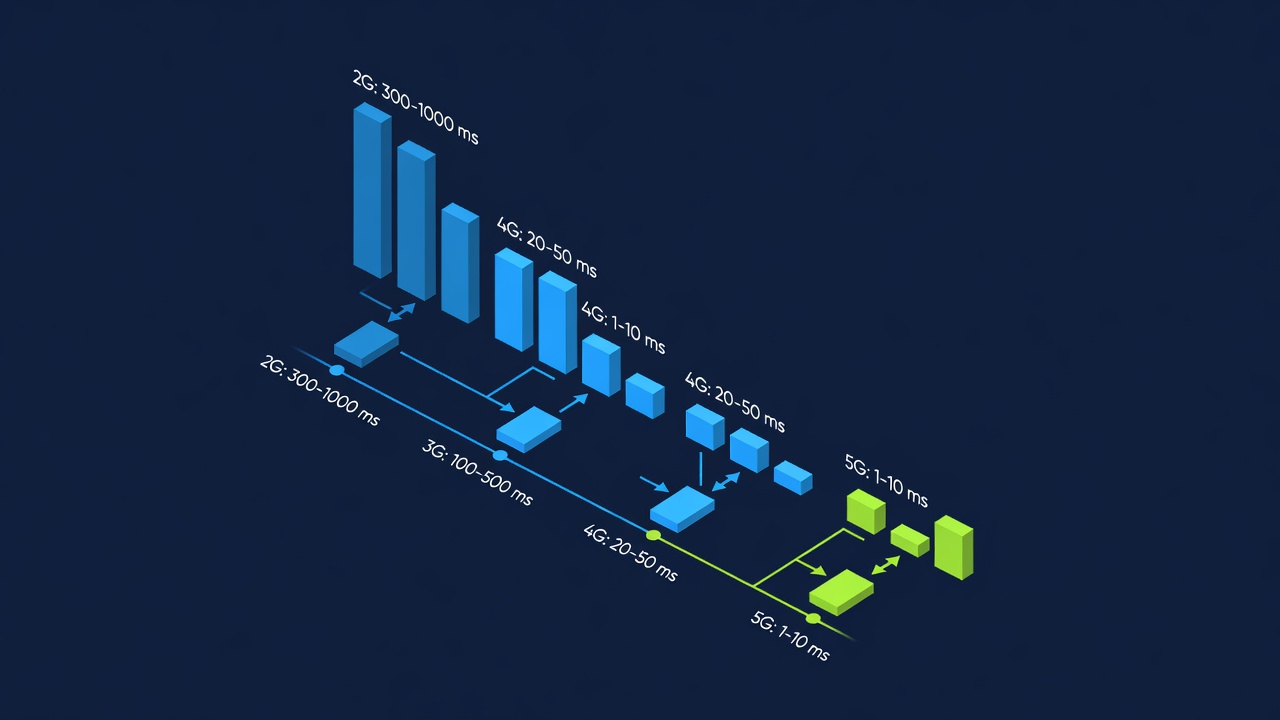
Latency is the delay between when a player presses a button and when the server responds. On a 4G connection, this delay might be 50-100 milliseconds. On a 5G connection, it might be 20-50 milliseconds. The difference is real but imperceptible to human consciousness. A person cannot feel 50 milliseconds.
Yet casinos market this speed. They advertise 5G connectivity as an upgrade. They promise that players will experience faster response. They imply that speed is good for the player.
What they do not say is that lower latency removes one of the few natural brakes on gambling speed.
The Psychological Brake
When a connection is slow, there is a natural pause between action and response. A player presses hit. The server receives the request. The card is dealt. The card is transmitted. The screen updates. This takes perhaps 200-400 milliseconds on a poor connection. The delay is invisible, but it creates micro-pauses in the action.
These pauses matter. They create moments of reflection. A player hits. They wait. The card comes. They react. The pause gives them a moment to regroup before the next hand.
On 5G, this pause collapses. The action becomes continuous. Hit, card appears, next hand. The smoothness removes the opportunity for reflection. The game accelerates. The number of hands played per hour increases. The player's cumulative losses increase proportionally.
This is not an accident. This is optimisation. Every millisecond of lag that is removed is a millisecond where the player might reconsider. A player engaged in continuous, frictionless action is a player who is not thinking about the cumulative cost of their play.
The Global Variability
What I observed in the illegal rooms was that latency was accepted as part of the experience. When the connection dropped, the game paused. The pause was communal. Everyone experienced it together. It created a moment of reckoning. Players could step back.
In the legal operations with perfect infrastructure, this never happened. The game never paused. The action was relentless. A player could lose ten hours and feel like it was two hours because the action was uninterrupted.
The Technical Implications
Fifth G is marketed as universally beneficial. It will improve everything. But in the context of gambling, it is specifically optimised for one outcome: increased play velocity.
A casino with 5G infrastructure is not trying to help players gamble faster. It is trying to reduce the friction that might make a player question their decision to continue. The technology accomplishes this goal perfectly. The smoothness of the experience, the lack of lag, the continuous action: these are features designed to extract money more efficiently.
A player in an underground room with sketchy internet might lose because they are outskilled or unlucky. But they have moments of pause where they might consider quitting. A player on 5G in a regulated casino has no such moments. The action is relentless. The extraction is total.
The Research Gap
Regulators have not caught up to this. There is no discussion of whether introducing 5G into gambling infrastructure requires disclosure to players. There is no debate about whether smooth, frictionless action constitutes manipulation of the play experience.
The technology is adopted because it is efficient for the operator. That is sufficient justification. The impact on player behaviour is not measured. It is not considered. The game accelerates, and nobody comments.
But the effect is real. It is measurable. It is psychological. And it is built into the infrastructure in such a way that players cannot perceive it. They experience the game as fast and smooth. What they do not experience is the removal of the pauses that might have saved them.