
Same-Game Parlays: Fun, But Are They Profitable
A same-game parlay lets you combine multiple bets from the same game into one bet. The odds are better but the probability is lower. Is there an edge?
Rizz Cash Tape3 min read
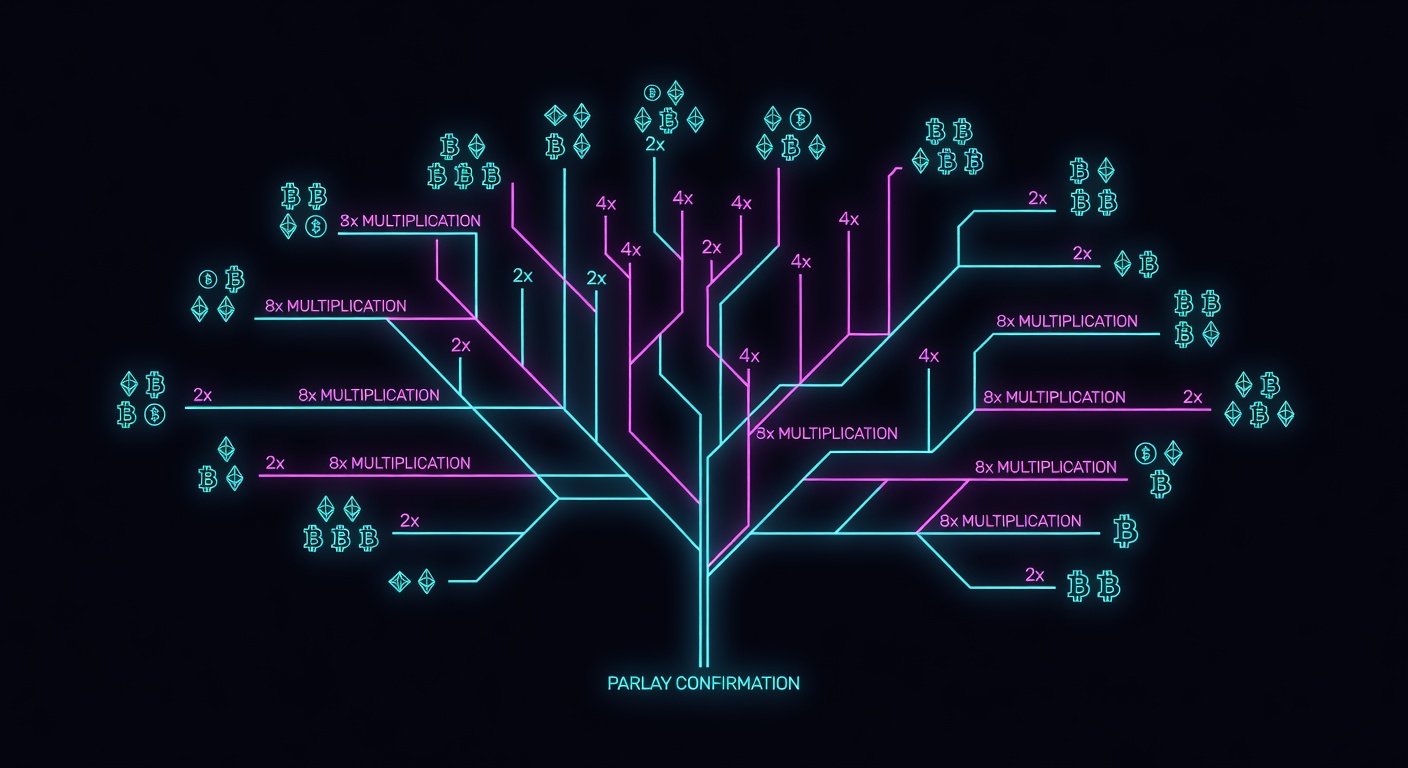
A same-game parlay combines multiple bets from the same game. You pick a team to win, the total to go over, and a player prop. All three need to hit. The odds are multiplied together.
A single bet on team to win at -110 has a payout ratio of -110 / 100 = 1.1. A three-leg parlay multiplies these odds: 1.1 x 1.1 x 1.1 = 1.331. You get 33.1:1 odds on a parlay.
Sound amazing. It is not.
The Catch
The sportsbook has already accounted for parlay correlation. Bets that are correlated (team wins, total goes over) are more likely to happen together. The sportsbook adjusts the parlay odds to account for this.
A same-game parlay is priced worse than betting the three outcomes independently. The convenience of combining them is paid for in worse odds.
Why People Use Them
Same-game parlays feel like you have found a loophole. The odds look amazing. People love them.
The sportsbooks love them because people lose money on them quickly. A 33:1 parlay sounds amazing until you realize it loses 97% of the time.
Are They Profitable
No. The expected value of a same-game parlay is worse than the expected value of individual bets. You are paying a convenience tax for the ease of combining bets.
Deeper Context
Understanding these mechanics helps you navigate the gambling environment with better knowledge. The house always maintains an edge, but knowing how that edge is constructed gives you power over your own decisions. You can set boundaries. You can recognize manipulation. You can choose to engage or to walk away. The most important thing is making these choices from a place of understanding, not from a place of ignorance or hope.
Why This Matters
Whether you gamble for entertainment or for profit, the information you have determines your outcomes. Not the specific hands you are dealt, but your decision-making quality. The casinos design their environments to exploit gaps in knowledge. But you can close those gaps. You can learn. You can adapt. You can be the player who understands the game, not the player who merely plays it.
The strategy works because it exploits predictable human behavior. When you understand the patterns, you can anticipate responses. This is true across gambling. The casino understands how players think. The players who win are those who understand how casinos think. This knowledge creates asymmetry. You can use that asymmetry to your advantage, or the house will use it to their advantage. There is no neutral position. You are either learning or being learned upon.
The Execution
Knowing the theory is different from executing it perfectly. Theory gives you a framework. Execution requires discipline, bankroll management, emotional control, and the willingness to make unpopular decisions. Most players cannot do this consistently. They understand the theory but fail at execution. This gap between knowledge and application is where the house extracts most of its profit.
Long-Term Thinking
The players who succeed over years are those who think in terms of expected value per decision, not emotional outcomes per hand. They track their results. They adjust their strategy. They move to better games when the current game becomes unfavorable. They do not chase losses. They do not celebrate wins as validation of their intelligence. They see gambling as a mathematical problem to be solved, not a personal battle to be won.
If you can adopt this mindset, you have already moved further toward success than 99% of players. The remaining 1% is execution.