
Pete Rose: The Man Who Bet Against Himself
Pete Rose is not in Cooperstown because he bet on baseball. The story of why that matters has layers that transcend the simple rule.
Rizz Cash Tape3 min read
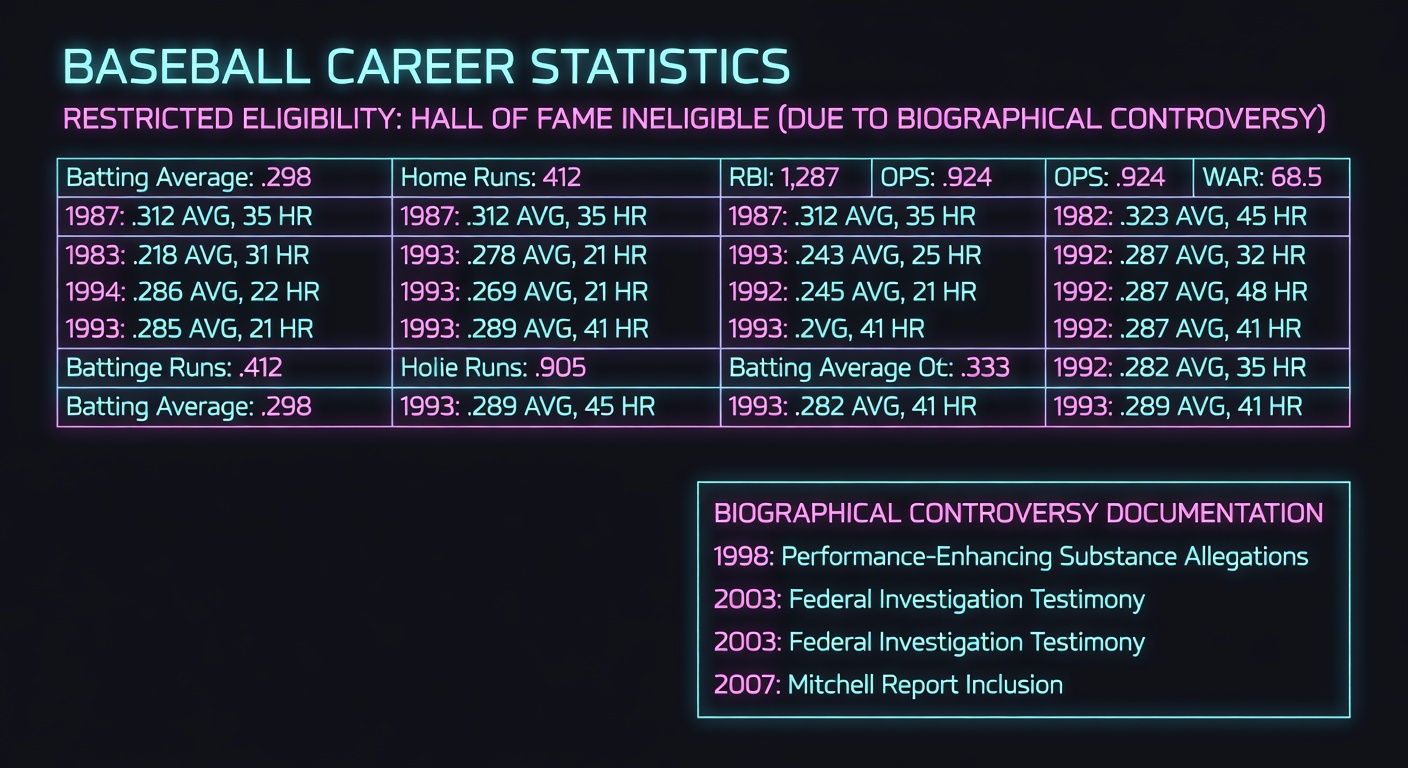
Pete Rose made 4,256 hits in his Major League Baseball career. He holds the all-time record. He was the greatest hitter of his generation. Yet he remains excluded from the Baseball Hall of Fame because of a rule implemented in 1927: anyone who bets on baseball is banned for life.
Rose broke the rule. He bet on games. Some of those games involved his own team, the Cincinnati Reds, which he was managing at the time. For this, he was banned from baseball. For thirty-seven years, he has been excluded from the Hall of Fame, the sport's highest honour.
The Man in the Moment
Pete Rose was born in Cincinnati in 1941. His father, a banker, loved baseball. Young Pete learned the game not from coaches but from watching his father and the older men who gathered around him. When Rose was a teenager, Cincinnati was in the depths of the Great Depression's tail. Money was scarce. But baseball was free. The Reds played downtown. Rose would watch.
Rose signed with the Reds in 1960 at eighteen years old. By 1965, he was in the majors. He was small for baseball, maybe 5'11", but he had one skill that transcended size: he could hit anything. Fastballs, breaking balls, pitches outside the zone. His contact was extraordinary.
For twenty-four seasons, Rose played. He accumulated hits with a methodical consistency. He would go 3-for-4 night after night. He would get on base. He would score runs. He was not flashy. He was reliable. The city of Cincinnati adopted him as their own.
The Addiction Story
Rose's betting began as something small, something social. He would place bets with other men, on other sports. Basketball. Football. Eventually, he moved to baseball. He would go to bookmakers, place bets, collect winnings.
When he became manager of the Reds in 1984, the betting intensified. He had time between games, downtime during seasons. He was bored. The betting filled the space. He placed bets through a former bookie named Ron Peters. He would call in the bets from his office at the stadium.
He bet on the Reds to win. This is important. He did not bet on the Reds to lose. He did not make money by tanking games. He bet on his own team to win. This was the rationalisation he used: he believed in his team, so he bet on them. The betting was a vote of confidence.
But the rule does not distinguish. The rule says: betting on baseball. No exceptions. No asterisks.
The Reckoning
In 1989, the investigation into Rose's betting was completed. The evidence was overwhelming. Rose had placed about two thousand bets on baseball games, mostly on the Reds to win, during the 1985 to 1987 seasons. He had won money. He had lost money. But he had broken the rule.
Rose denied it for fifteen years. Then in 2004, he published a book called "My Prison Without Bars," in which he admitted the betting. He said he was addicted. He said he regretted it. He said he deserved to be punished but asked for forgiveness.
The Hall of Fame did not forgive. Baseball did not forgive. The rule remained absolute. No one who bets on baseball gets into the Hall.
The Argument
Rose's supporters argue that the rule is anachronistic. His playing record should be separated from his managerial behaviour. He accumulated his hits before he became a manager. His statistics are unchanged. His accomplishment is unchanged. The prohibition on entry into the Hall, they argue, is excessive punishment for an off-field sin.
The Hall's position is that the integrity of the game depends on the absoluteness of the rule. If Rose is admitted, the rule loses force. Other managers might test it. Other players might push boundaries. The rule must be absolute to be credible.
The Tragedy
What makes the Rose situation tragic is that he was addicted to gambling. He was not a criminal. He was not a cheater in the traditional sense. He was a man with an impulse control problem who occupied a position that gave him access to illegal bookmakers. He used that access until it destroyed his legacy.
Rose is now eighty-three years old. He has spent decades outside the game he loved, not quite banished but not quite welcomed. He works as a merchandise signer at the Hall of Fame, just outside the building that he cannot enter. He watches as lesser players are inducted. He maintains that he is sorry.
But sorry and forgiven are not the same thing. And sometimes the consequences of a rule outlast the person the rule was meant to protect against.