
Memecoin Profit Calculator: The Math It Leaves Out
Your target price implies a market cap. Then a 0.30% swap fee per leg, slippage on thin pools and IRS swap rules cut the multiple. Here is the check.
Rizz Cash Tape4 min read
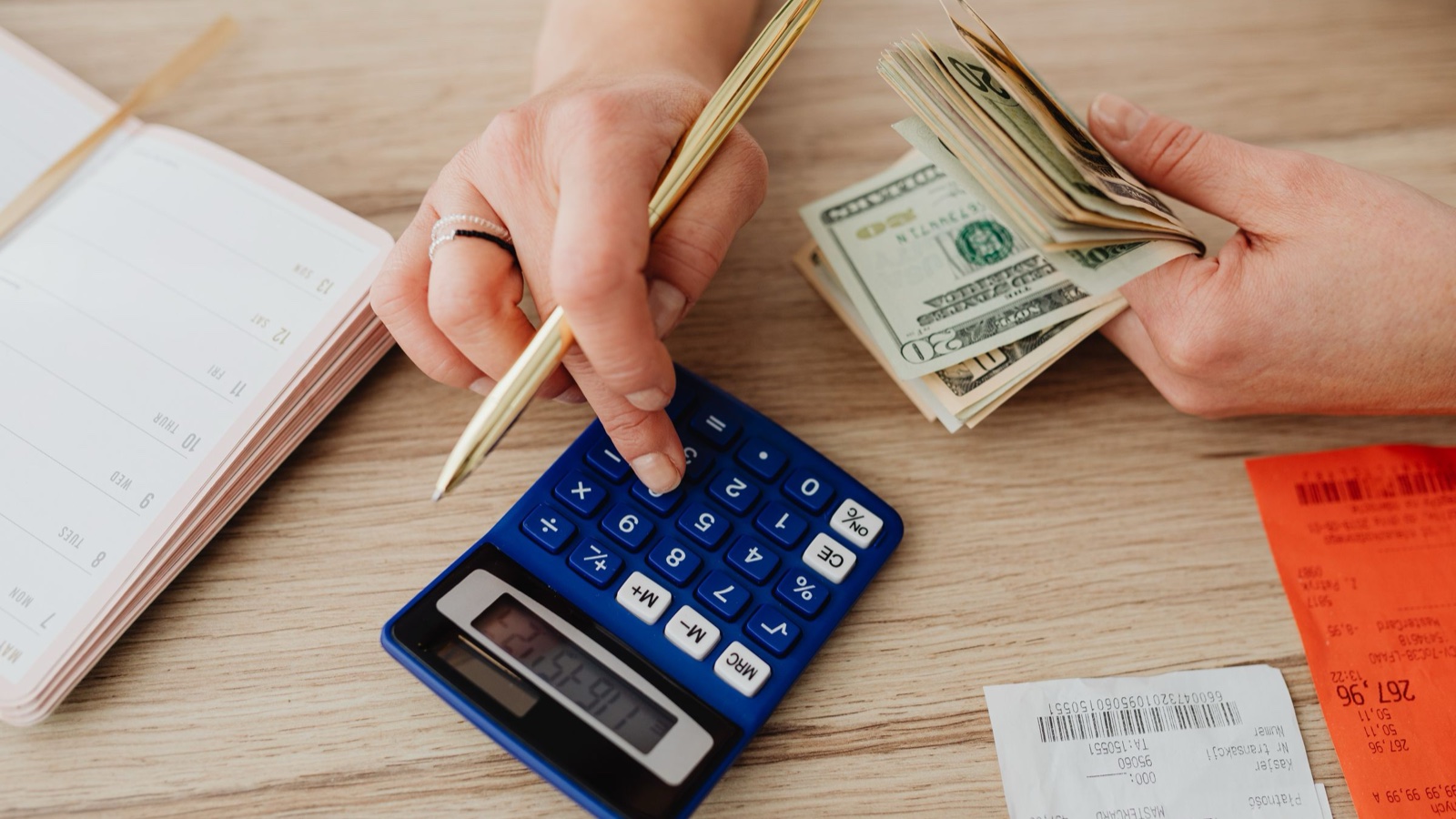
A memecoin profit calculator multiplies your tokens by the gap between entry and target price. That is the whole trick. It skips the supply math that decides whether the target is even reachable, and it skips the fees, slippage and tax that sit between a paper multiple and the dollars you keep.
Here is what to add back before you believe any number it prints.
What a memecoin calculator actually computes
It computes a gross multiple and nothing else. Entry price, exit price, position size: out comes a profit figure that assumes a frictionless fill on both ends.
No real swap works like that. Every leg pays a pool fee, moves the pool price, and creates a tax event. The widget shows none of it.
Target price is really a target market cap
Any target price is also a claim about market cap. Multiply the price by every token in circulation and you get the valuation the coin would have to reach for your number to come true.
So run that sum first. If the implied market cap is bigger than anything the coin, or coins like it, has ever traded at, the profit line is fiction no matter how clean the math looks.
Circulating supply is the lever. Huge supply means a tiny-looking price can hide an enormous valuation. Check the supply on chain, not on the project's own page.
Swap fees: the cut on every trade
On Uniswap v2, every pool charges a flat 0.30% swap fee as of October 2026. You pay it on the buy and again on the sell.
Here is the part most calculators and guides miss. Since the December 2025 UNIfication proposal, protocol fees are active on all v2 pools, set at launch to about 1/6 of the swap fee, and governance can change that share.
That does not raise your 0.30%. It changes who gets it: a slice that used to go only to liquidity providers now goes to the protocol. For a trader the cost line stays the same. For anyone pitching LP yield as part of the return, the math just got thinner.
Slippage on thin memecoin pools
Slippage is the price your own trade moves against you. Uniswap's own docs put it plainly: larger trades relative to pool depth move the price more.
Memecoin pools are often shallow. A buy that looks small in dollars can be large next to the pool, so your average fill lands above the quoted price. The exit is worse: selling into the same thin pool pushes the price down as you go.
A calculator that uses one quoted price for the whole position is assuming a pool deep enough to absorb you. On a fresh launch, it usually is not.
Network fees on Solana barely move the needle
On Solana the base network fee is 5,000 lamports per signature, which is tiny next to a percentage swap fee on any meaningful position.
Fun detail from the same docs: that base fee is split 50% burned and 50% to the validator. Priority fees, the tip you add to jump the queue in a busy launch, are a separate line and worth adding if you use them.
Taxes: the IRS takes its cut of the realised number
For a US trader, profit is not profit until the tax is counted. The IRS defines gain as the difference between adjusted basis and amount realized, and swapping one token for another counts as a disposition. Rotating a winner into the next coin is a taxable event even if you never cash out to dollars.
Holding period changes the rate class. Assets held for more than one year give long-term gain or loss. One year or less is short-term.
How to sanity-check any projected multiple
Run these before you trust the screenshot:
| Check | What to do | Why it matters |
|---|---|---|
| Implied market cap | Target price times circulating supply | Shows whether the target is plausible at all |
| Swap fee | Count it on the buy and the sell | 0.30% per leg on a Uniswap v2 pool |
| Slippage | Compare your size with pool depth | Thin pools fill you worse in both directions |
| Network fee | Add base plus any priority fee | Small on Solana, larger if you pay to jump the queue |
| Tax | Apply short-term or long-term treatment | Swaps are taxable, not just cash-outs |
If the multiple still looks good after every check, it is at least an honest number. It is still not a promise. Memecoins go to zero all the time, and no calculator models a rug.
Straight answers
What fees should a memecoin calculator include?
The swap fee on both the buy and the sell, the price impact your own size causes in the pool, and the network fee. On a Uniswap v2 pool the fee is a flat 0.30% per trade as of October 2026, so a round trip pays it twice.
Is swapping one memecoin for another taxable in the US?
Yes. The IRS treats a token-for-token swap as a disposition, and your gain is the amount realized minus adjusted basis. No cash has to touch your account for the bill to exist.
Does holding longer change the tax on memecoin profit?
It can. Per the IRS, digital assets held more than one year give long-term gain or loss, and one year or less is short-term.
Why does my own buy push the price up?
Because an AMM pool reprices on every trade. Uniswap's docs say bigger trades against a shallow pool move the price further, and memecoin pools are often shallow.
Where we got the numbers
- Uniswap Docs, How Uniswap Works, accessed 2026-10-20
- Uniswap Docs, Fees, accessed 2026-10-20
- IRS, Frequently asked questions on digital asset transactions, accessed 2026-10-20
- Solana Foundation docs, Fees on Solana, accessed 2026-10-20