
Fast Withdrawals: The Casino's Confessional
Fast withdrawals are presented as convenience. What they actually are is a confessional. The player reveals themselves, and the casino knows exactly who they are.
Rizz Cash Tape3 min read
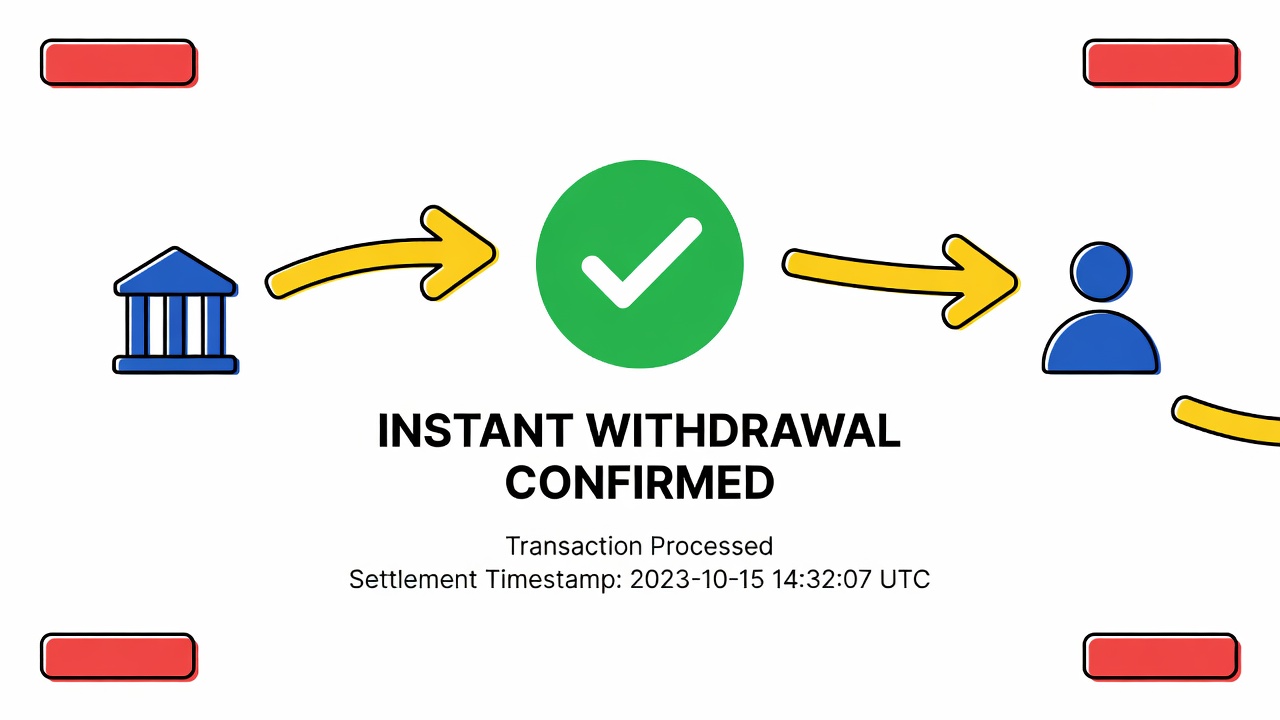
A fast withdrawal at a modern casino is a technical marvel and a psychological minefield. You hit a button. Your money arrives in your account in hours. The speed is presented as a feature, as customer service, as the modern casino experience. What it actually is: the casino confirming that they have extracted everything they intend to extract from you, and they are sending you home before you decide to come back.
Let me be clear about the mechanism. When a player requests a fast withdrawal, especially if that withdrawal represents a win, the casino processes it immediately. The money is real. The transaction is legitimate. But the speed itself is data.
The Signal
A fast withdrawal is a signal that you are done. The casino, having analysed your patterns, has determined that the value of future play with you is minimal. They would rather you leave happy with your winnings (or less angry about your losses) than stay and lose more.
This is counterintuitive. Casinos are supposed to want you to keep playing. Conventional wisdom says that casinos tempt players to stay. But the sophisticated casino understands something more complex: there is an optimal exit point for every player. Miss that point, and the player either quits in disgust or loses everything and quits angry. Neither outcome is good for repeat business.
So the casino shows you the door politely. Fast withdrawal. Good luck. Come back when you are feeling lucky.
The Psychological Positioning
A player who experiences a fast withdrawal remembers the convenience. They remember that their money arrived quickly. They felt respected. They felt like the casino appreciated their business. This is brand loyalty, built on the casual efficiency of a withdrawal process.
Contrast this with a casino that makes withdrawals slow, difficult, requiring endless verification. A player will remember that experience as hostile. They will not return. The fast withdrawal is a retention mechanic disguised as convenience.
The Data Layer
Everything about your withdrawal is data. The speed at which you withdraw. The frequency of withdrawals. The size relative to your deposits. All of this feeds into a profile.
A player who withdraws frequently in small amounts is profitable. This player is likely to lose more than they win over time. A player who withdraws everything after a big win is less profitable. This player might decide to quit while ahead.
The casino algorithms analyse this. A player showing signs of quitting is nudged toward staying: a bonus offer, free play, an invitation to a tournament. A player showing signs of consistent losing is left alone. Why bother? The money is already coming.
The Extraction Timing
Here is something people do not realise: the casino's entire profit model depends on knowing when to let the player quit. Too early, and they leave money on the table. Too late, and the player breaks.
Fast withdrawals are the casino saying: you have given us enough. Go home. Take your winnings (or your losses, reframed as entertainment). Come back later, and we will do it again.
This is sophisticated. This is not the crude "we want to steal from you" model. This is the "we want to steal from you sustainably over years" model.
The Real Cost
A fast withdrawal feels good to the player. It feels like they have won or, at worst, they have managed their money responsibly. What they do not see is the architecture underneath.
The casino has run the calculations. They know exactly how much you are worth. They know how many years they can extract value from you. They have optimised the withdrawal process to maximise your lifetime value.
Your fast withdrawal is not a courtesy. It is a data point confirming that the casino's algorithms are working correctly.