
Battery Drain and Mobile Casino Play: Tips to Reduce It
Rizz Cash Tape3 min read
The intersection of mobile technology and casino gambling produces the peculiar beauty of a well-designed hotel bar at cocktail hour. Everything works. Everyone appears to know what they are doing. The ambiance obscures the brutal economics underneath.
Battery Drain and Mobile Casino Play: Tips to Reduce It sounds like a technical bore, which means it is actually behavioral. The phone runs hot. The battery drains. Players abandon sessions mid-momentum, frustrated. For the operator, this is a leak in the conversion funnel.
The Physics of Mobile Gaming
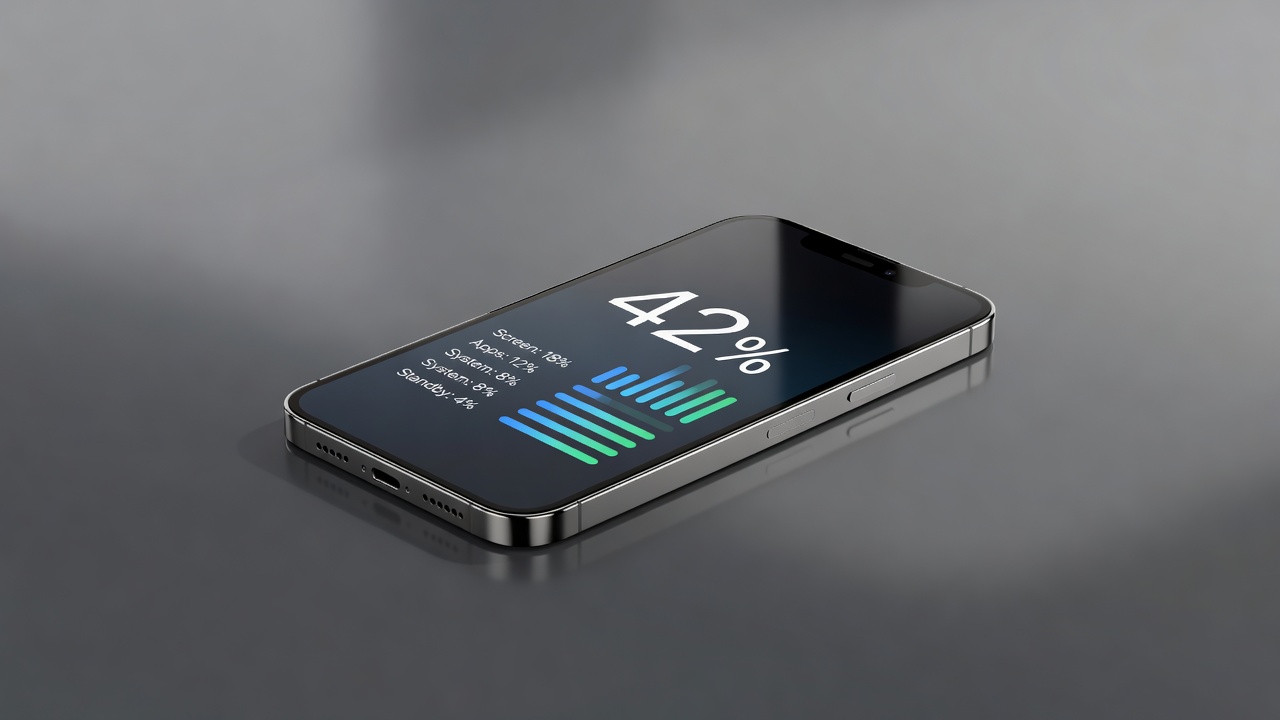
A modern smartphone GPU running a three-dimensional casino environment at 60 frames per second is not a light load. The processor heats up. The battery temperature climbs. After twenty minutes of live roulette streaming, the device is warm enough to feel in your palm.
Display technology compounds the problem. OLED screens, gorgeous as they are, burn power faster than LCD. A game at 1080p drains faster than 720p. These are squalid engineering tradeoffs that real designers face hourly.
Live casino streams require constant network communication and rendering. A single dropped packet interrupts the experience. The system compensates by increasing radio power, which depletes the battery further. This is a negative feedback loop baked into wireless physics.
What the Casinos Know
A sportsbook loses real money when a player abandons a session because the phone overheated. They track abandonment rates by device, geography, temperature, humidity. Android users in hot climates drop more than iOS users in temperate climates. This is data they obsess over.
Better operators use aggressive power-saving techniques. Capping frame rate at 30 FPS saves 40% battery draw. Reducing resolution from 1080p to 720p saves another 20%. Disabling ambient light sensor and locking brightness removes variables that consume power.
Some sportsbooks offer incentives for Wi-Fi play instead of cellular. Latency is lower. Bandwidth ceiling higher. Power consumption per engagement lower. A player at home with a charger is fundamentally different from a player on the commute.
What You Can Do
Close every other app. Email, browser, music all run in background. iOS handles this better. Android is notorious for apps refusing to sleep. Kill background services before you start.
Turn on low-power mode before your session, not when warned. System responds more slowly, but battery drain drops 30%. You will notice lag. It matters less than keeping charge.
Carry a portable battery pack. A deck-of-cards-sized pack provides four extra hours. Weight negligible. Peace of mind substantial.
Adjust brightness manually. Auto-brightness is convenient and destroys battery life. Set to 40% indoors, 60% outside. Eyes adjust faster than you think.
Finally: play on Wi-Fi. The difference is real. Cellular radio consumes more than Wi-Fi. If at home, plug in. The session feels faster and your phone lasts longer.
This is simple hardware maintenance that most people ignore. Which is exactly why it matters.
Practical Implementation
The real-world application of these principles requires both discipline and flexibility. Understanding the theory is one thing. Applying it consistently across dozens of sessions requires a different skillset altogether.
Start by establishing clear boundaries. Decide in advance how much of your bankroll you are willing to risk on any single decision. Track your results systematically. Do not rely on memory or approximation. Write it down.
Keep a session log. Record the date, the game, the time played, the units risked, and the result. Over time, patterns emerge that are invisible when you rely on memory. A game that feels like a winner in the moment might show a negative expectation over 50 sessions.
Common Mistakes
The most common mistake is confusing variance with poor strategy. A losing session does not mean your approach is wrong. A winning session does not mean it is right. Only time and volume reveal true edge.
Another common mistake is chasing losses. After a bad session, the impulse to immediately rebuild feels urgent. Resist it. Your bankroll, your strategy, and your emotional state are all worse after a loss. Wait. Let time pass. Resume when you are thinking clearly.
Long-Term Perspective
Success in gambling of any kind requires viewing it as a long-term endeavor. There are no shortcuts. There is no secret that makes the mathematics disappear. The advantage comes from understanding what others do not, executing consistently, and maintaining discipline when emotions are running high.
The people who last are the ones who understand that any single session is meaningless. What matters is what happens across 100 sessions, across a year, across years.
Your goal is not to become wealthy. Your goal is to make rational decisions based on mathematics and psychology, to execute those decisions consistently, and to track whether your results match your expectations. If they do not, the problem is not the game. The problem is your decision-making process.
Start there. Everything else follows.